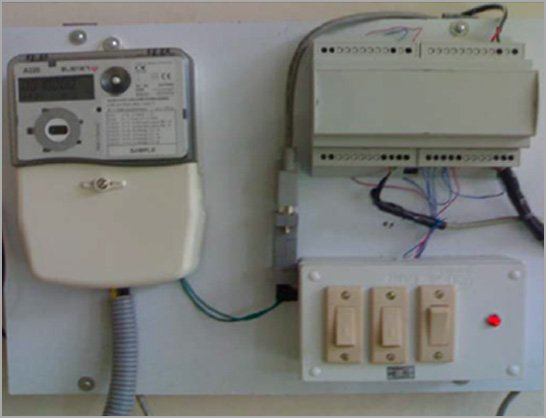
Powerline

PLC (Power line Communication) utilizes the power line infrastructure in a home, office or other building, both indoor and outdoor, for networking and communication thereby eliminating the expense and inconvenience of new wires or antenna-based networks.

The power line can be an extremely difficult and noisy communications medium, characterized by several unpredictable and strong forms of interference. Our patented solutions overcome the interference and reliability problems that can occur on the power line and offer low cost, robust and superior performance.

Reliable, low cost PLC technology enables ubiquitous applications for residential and business markets. PLC opens a whole new world of business opportunities to appliance and electric devices manufacturers, utilities and other service providers, with no need to install new cables or jacks. With PLC, every electrical outlet can become a communication node, part of a PLC network.

PLC applications include Command and Control networking, which allows local and remote monitoring and management of devices linked to a single network.

Types of PLC

There are two major categories of PLC:

Narrow Band PLC

PLC system used to provide Narrowband or low speed communication over power lines, typically 9.6 kbps with 5-500 KHz spectrum
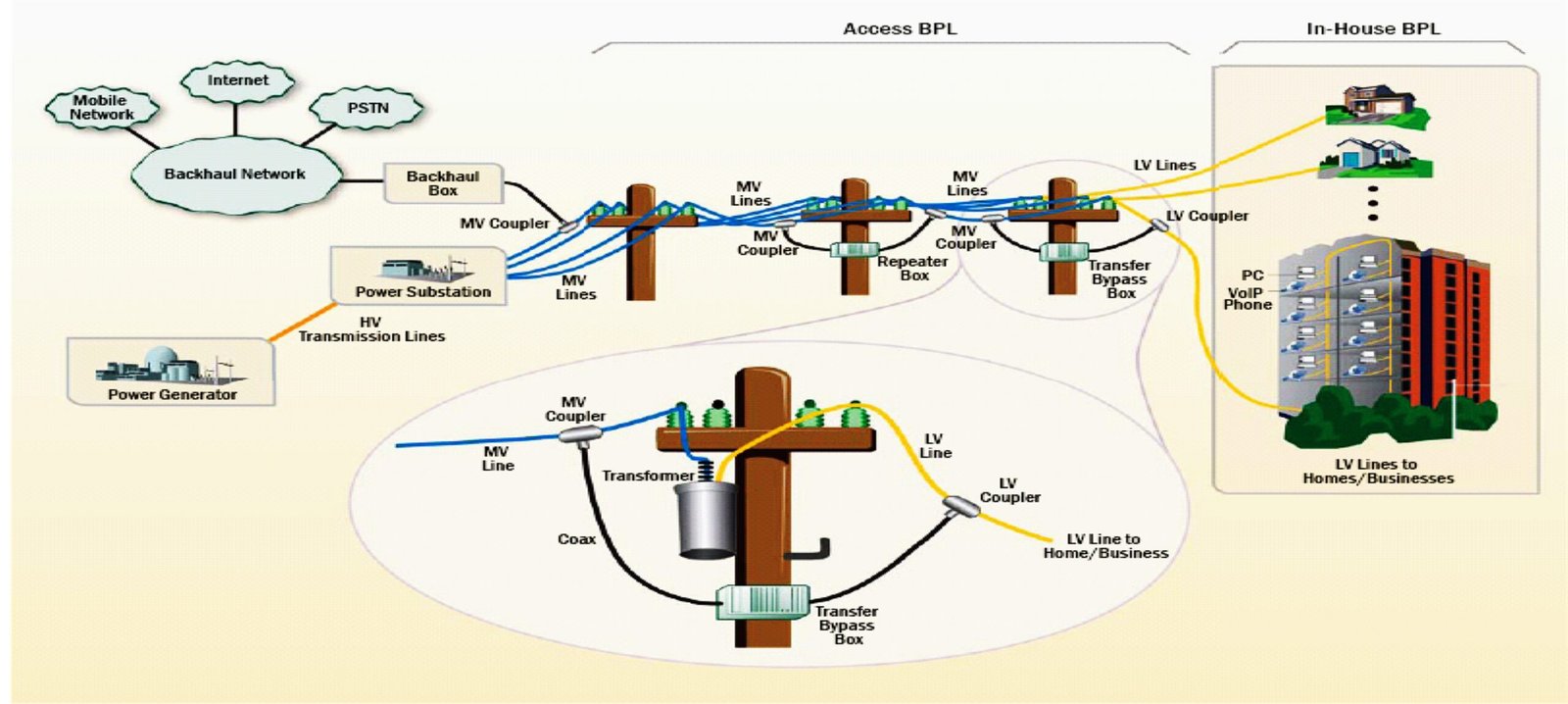
Broadband over Power Lines (BPL)

PLC system used to provide Narrowband or low speed communication over power lines, typically 9.6 kbps with 5-500 KHz spectrum
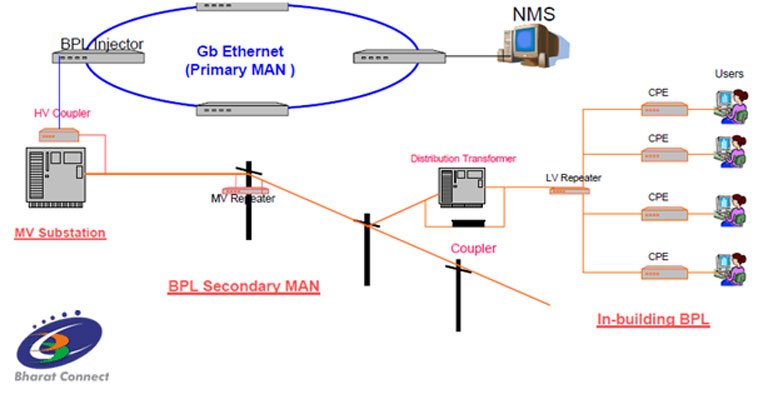
How PLC/BPL work

The deployment of BPL usually requires the following equipment-

BPL injector is a high speed digital modem that injects the signal coming from the backbone into the power line grid.
The injector signals are injected into the power lines with the help of couplers.
Repeater device is used to enhance the BPL signal strength, lost due to attenuation in Power lines.
A PLC modem at the user’s premises receives broadband signals and provides internet through a USB or Ethernet and telephone capability. Different types of modems provide different usages.

Advantages

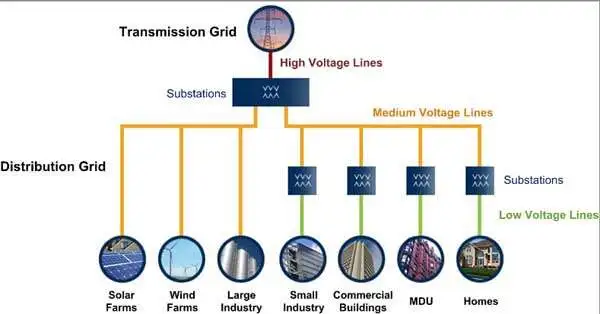
Role of PLC on Smart-grid: A more intelligent electric power grid

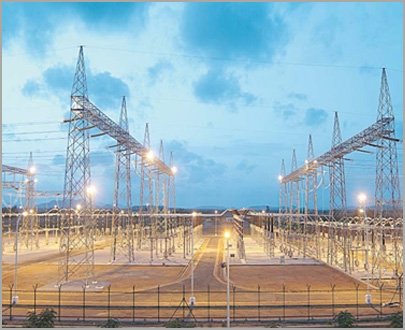
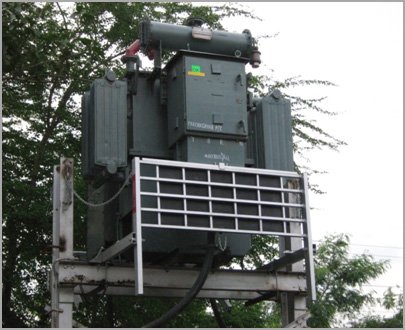
Transformer installed for PLC

PLC as Rural Last Mile – Solution to the Digital Divide

The broadband growth has not only been slow but also biased towards the urban areas. More than 60% broadband subscribers are in the top ten metros and tier-1 cities. Just 5% of the connections are in rural areas which meagre compared to about 31% of total mobile telephone connections in rural areas.

PLC technology could provide an advantage towards rural telecommunication. The main reason for any telecom or an ISP to not explore the rural market so far is not having Business model that guarantees return on investment.

PLC technology requires minimal investment (compared to other wired/wireless technologies) and moreover will provide an additional revenue stream from Utility application like Smart-grid and AMR.

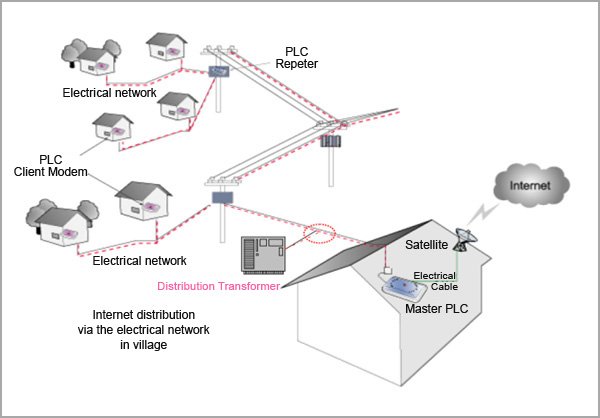
Solution for Villages

Services possible through PLC

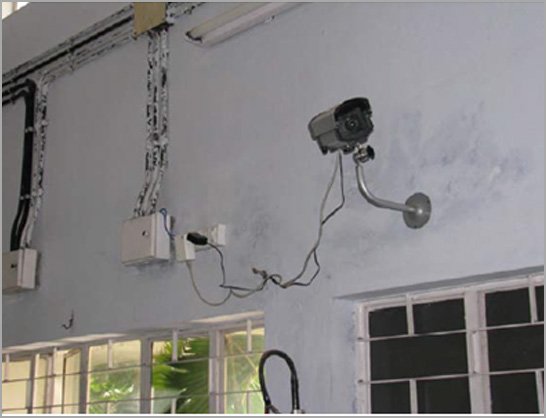
Video Surveillance over PLC
AMR over PLC
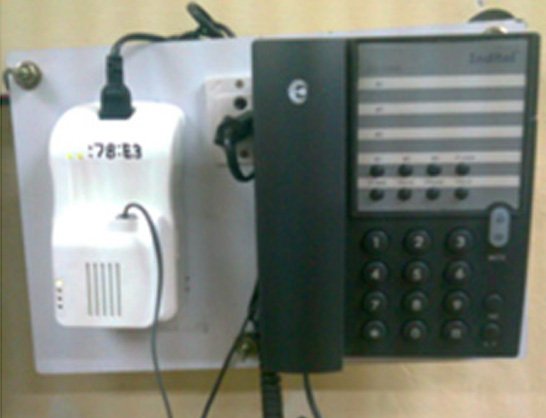
VOIP over PLC
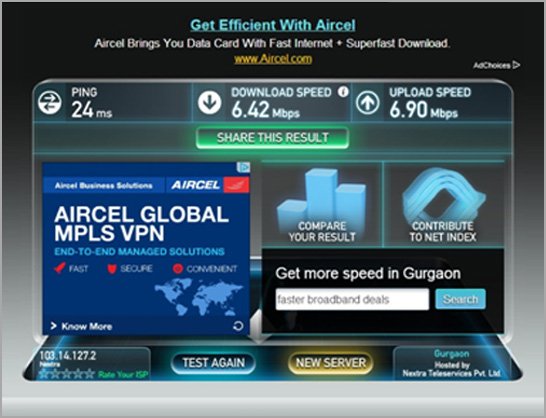
Backhaul radius